
The Unheard Voices of Aging Veterans
There is a silence that has nothing to do with peace. It is the silence of being forgotten.
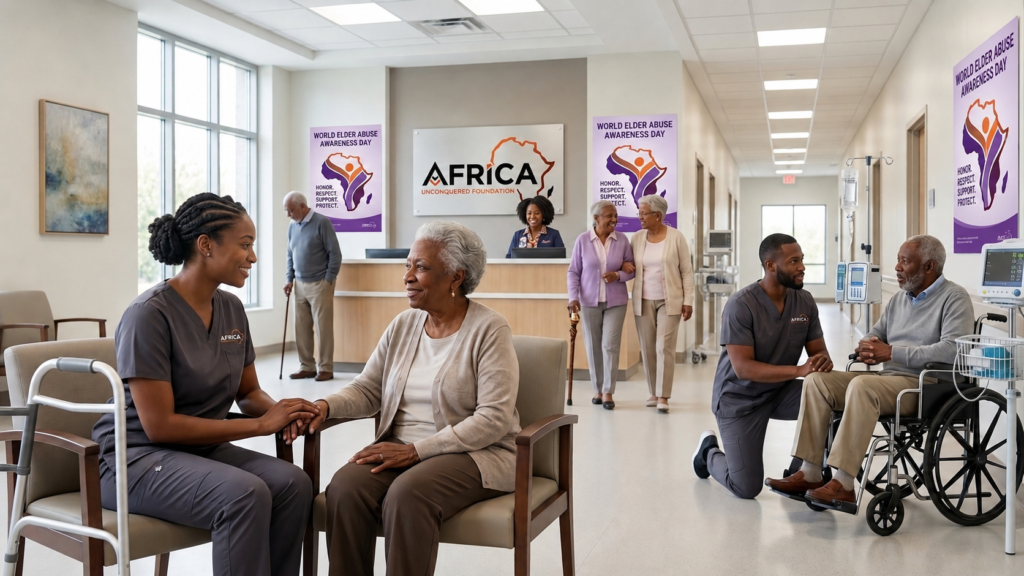
Every year on 15 June, the world marks World Elder Abuse Awareness Day, a day recognised by the United Nations to confront an uncomfortable truth: many older people do not spend their later years in dignity and care. Behind closed doors, they face neglect, isolation, and abuse that too often goes unseen. Among the most overlooked of them are disabled veterans, the men and women who once served their nations, and who now grow old carrying both their injuries and their invisibility.
Picture a soldier who lost a limb defending his country. Or one who came home with wounds that reshaped every ordinary task like walking, working, or sleeping. Some carry visible scars. Others carry wounds no one can see: trauma, anxiety, post-traumatic stress. In their younger years, they were saluted as heroes. But heroism has a short public memory. As the years pass, the salutes fade, the names are spoken less often, and the needs are quietly set aside.
For a disabled veteran, growing older means carrying a double burden. The first is physical: service injuries rarely soften with age, they deepen, bringing more pain, less mobility, and greater dependence on others. The second is emotional: the slow ache of being forgotten by the very society they once stood between and harm. Independence narrows. Support, where it exists at all, is often thin and inconsistent.
What makes elder abuse so dangerous is that it is rarely loud. It is not always a raised hand. More often it is neglect, emotional distance, exclusion from decisions, financial exploitation, or simply being left alone and unattended. For a disabled veteran, these quiet harms cut especially deep, because they erode the two things service was meant to protect: dignity and self-worth.
For many, the hardest part is not the disability, or even the aging. It is the weight of invisibility. They remember being strong, being needed, being part of something with purpose and structure. To go from that to silence, from belonging to isolation is its own kind of injury, and it shows up as loneliness, depression, and quiet despair. Yet it is rarely named.
This is why World Elder Abuse Awareness Day is more than a date on a calendar. It is a call to attention. It insists that dignity does not expire with age, and that protection should not end the moment service does. It asks every society a hard question: how do we treat those who once stood for us, once they are no longer strong, no longer active, no longer visible?
Real respect for disabled veterans is not measured in ceremonies or anniversary posts. It is measured in consistent care: access to healthcare, psychological and emotional support, inclusion in family and community life, and protection from neglect and exploitation. It is measured in whether a veteran feel seen or feels like a burden in the very society they once protected.
At the Africa Unconquered Foundation, we stand with the veterans who are growing old in silence. We believe disability does not erase dignity, and that age should never become a reason for neglect. Our work is to make these veterans visible again, to raise awareness, build empathy, and advocate for systems that ensure they are seen, heard, and cared for at every stage of life.
You can be part of that, too. Check on an ageing veteran in your community. Listen to their story. Refuse to let “thank you for your service” be the last thing anyone ever says to them.
A society is not judged only by how it celebrates its heroes in their strength, but by how it holds them in their vulnerability. Disabled veterans are not forgotten history. They are living reminders of sacrifice and courage and as they grow older, they deserve far more than silence. They deserve dignity, care, and remembrance: not only for what they gave, but for who they still are.