
Why Africa’s Disabled Veterans Deserve to Be Seen, Heard, and Supported
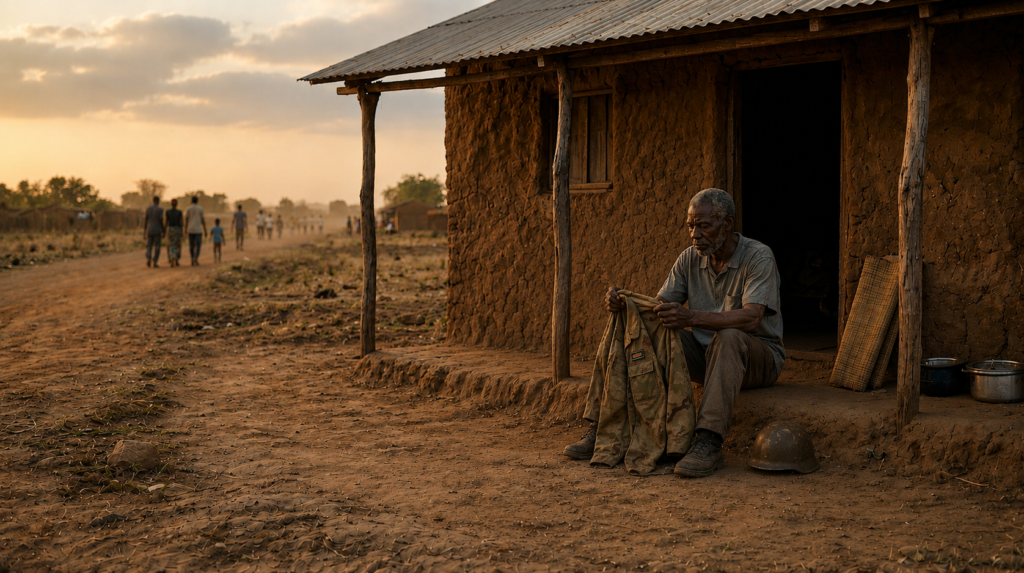
When people picture a veteran, they often imagine strength, discipline, and unwavering courage. They see someone who answered the call to serve, endured unimaginable challenges, and returned with stories of resilience.
What they rarely see is what happens after the applause fades and the uniform comes off.
Across Africa, many veterans quietly navigate a different kind of battlefield—one marked by physical disabilities, emotional wounds, social isolation, and the challenge of rebuilding their lives. Their struggles are not always visible, and they are not always spoken about. Yet they are real.
The uncomfortable truth is that many veterans carry these burdens alone. But that is not where their story ends.
Table of Contents
ToggleThe Complex Realities of Post-Service Life
For veterans living with disabilities, the journey after service can be especially demanding. Injuries sustained in the line of duty may affect mobility, employment, and independence. Some also carry the invisible effects of trauma, adapting to experiences that few people can truly understand.
As the years pass, these challenges can become even more complex, particularly when access to healthcare, rehabilitation, or community support is limited.
Still, it would be a mistake to define veterans by the difficulties they face.
Resilience Beyond the Battlefield
What makes their stories remarkable is not the hardship; it is their resilience. Every day, countless African veterans continue to lead families, mentor young people, contribute to their communities, and pursue new opportunities despite the obstacles before them.
They are proof that strength is not only found on the battlefield, but also in the determination to keep moving forward after it.
Moving From Awareness to Action
Unfortunately, many people are unaware of these realities. Veterans are often celebrated for their service but overlooked when it comes to their long-term well-being. Conversations about disability, mental health, and reintegration remain limited, leaving many former service members feeling unseen.
Changing this narrative begins with awareness.
It begins by recognising that supporting veterans is not about pity. It is about respect.
It is about acknowledging that those who gave so much deserve opportunities to thrive long after their service has ended.
It means creating communities where disabled veterans have access to healthcare, meaningful work, social inclusion, and the chance to continue making valuable contributions.
Where Hope Begins
Hope is found in every family that chooses patience over misunderstanding. It is found in every employer who recognises ability instead of limitation. It is found in every community that welcomes veterans with dignity rather than assumptions. And it is found in every organisation and individual working to ensure that no veteran has to face life’s challenges alone.
Our Commitment at AUF
At African Unconquered Foundation (AUF), this hope is more than an idea—it is a commitment.
We believe that disabled veterans are not defined by what they have lost, but by the courage they continue to demonstrate every single day. Their experiences, leadership, and perseverance remain invaluable assets to society, and their stories deserve to be heard.
Breaking the Silence
The future for Africa’s veterans does not have to be one of isolation. It can be one of inclusion, opportunity, and renewed purpose. But achieving that future requires all of us to look beyond the uniform and see the person behind it—a person with dreams, talents, and the same desire for dignity and belonging as anyone else.
The ugly truth: Many African veterans suffer in silence.
The inspiring truth: That silence can be broken.
With greater awareness, stronger communities, and a shared commitment to honouring service through action, we can help ensure that veterans are not merely remembered for what they did in the past, but empowered to shape the future they still have ahead of them.
Because true honour is not measured only by medals or ceremonies. It is measured by whether those who once stood for us know that, even now, we stand with them.